Why Singapore’s Climate Is Your Furniture’s Biggest Enemy in Storage
Singapore sits just 1.3 degrees north of the equator — one of the most challenging climates in the world for furniture storage. Average annual humidity of 84%, year-round temperatures above 25°C, and frequent tropical rainstorms create conditions that accelerate the degradation of virtually every furniture material. Wood expands, warps, and splits. Leather dries, cracks, and grows mould. Fabric upholstery becomes musty and mouldy. Metal corrodes. Electronics fail. Without proper protection, furniture left in non-climate-controlled storage in Singapore can deteriorate significantly within 3–6 months. Understanding these risks — and how to mitigate them — is the key to retrieving your furniture in the same condition it went in. CYC Movers’ climate-controlled storage is specifically designed to protect against Singapore’s tropical conditions.
Climate Control: What to Look For and Why It Matters
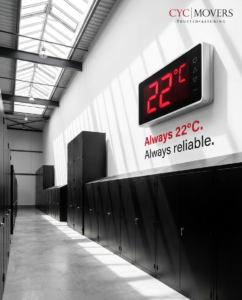
- Temperature: The ideal storage temperature for most furniture is 18–25°C. Temperatures above 30°C accelerate the degradation of adhesives in composite furniture, cause wood to dry and crack, and damage electronics.
- Relative humidity: The ideal relative humidity for furniture storage is 45–55%. Singapore’s ambient humidity of 80–90% causes wood to absorb moisture and swell, promotes mould growth on fabric and leather, and accelerates metal corrosion.
- Air circulation: Good air circulation within the storage unit prevents humidity stratification — where moisture collects in still air pockets around items and causes localised damage.
- Dehumidification: A well-managed climate-controlled storage facility uses industrial dehumidifiers to maintain target humidity levels regardless of the ambient outdoor conditions.
- Monitoring: Reputable climate-controlled facilities continuously monitor temperature and humidity and have automated alerts if conditions go outside acceptable ranges.
Preparing Your Furniture for Storage: 10 Essential Steps
- Clean everything thoroughly: Dust, food residue, and body oils accelerate deterioration and attract pests. Clean all surfaces before storage.
- Condition wood and leather: Apply a quality wood polish or oil to wooden furniture and a leather conditioner to leather pieces. This provides a barrier against humidity changes.
- Use breathable covers: Wrap furniture in breathable cotton or canvas covers — never plastic sheeting, which traps moisture and causes mould and condensation damage.
- Disassemble large items: Removing legs, glass tops, and detachable components reduces the risk of breakage and makes items easier to stack and store efficiently.
- Elevate off the floor: Place items on pallets or wooden boards to protect against any floor moisture and to allow air circulation beneath items.
- Store sofas on their end: Storing large sofas upright (on end) rather than flat reduces footprint and prevents the legs from bearing all the weight over a long storage period.
- Protect glass and mirrors: Store glass pieces vertically (not horizontally) with corner protectors and padding between items. Horizontal storage increases breakage risk.
- Remove batteries: All batteries should be removed from electronics and appliances before storage — dead batteries can leak and cause irreparable damage.
- Defrost and dry refrigerators and freezers: Completely defrost, clean, and dry refrigerators and freezers before storage. Leave doors slightly ajar to prevent mould.
- Photograph and inventory everything: A detailed photographic record of every item’s condition before storage is essential for any future insurance claim.
Security: Protecting Your Furniture from Theft and Unauthorised Access
- 24/7 CCTV coverage of all storage areas and access points
- Access control systems — PIN code, key card, or biometric — preventing unauthorised entry
- On-site or regular security patrols
- Fully enclosed, solid-walled storage units rather than open mesh racking
- Strong, high-quality padlocks for any user-accessible units
- A storage facility with a verifiable physical address, professional management, and client references
Frequently Asked Questions
Is climate-controlled storage significantly more expensive in Singapore?
Climate-controlled storage typically costs 20–40% more than ambient storage. Given the very real risk of furniture damage in Singapore's tropical climate, this premium is almost always justified for quality furniture, antiques, leather, and electronics.
Can I use silica gel packets to control humidity in non-climate-controlled storage?
Silica gel packets can provide modest humidity control in a small, sealed space. However, they are insufficient for large storage units in Singapore's climate — in high-humidity conditions, they saturate quickly and require frequent replacement. Climate-controlled storage is the only reliable solution.
What is the best type of cover for storing upholstered furniture?
Breathable cotton or canvas furniture covers are best. Avoid plastic, which traps moisture and promotes mould. For high-value pieces, acid-free breathable covers are available from specialist suppliers.
Should I insure my furniture while it is in storage?
Yes. Ensure your home contents insurance extends to items in storage, or arrange a separate storage insurance policy. Check coverage limits, exclusions, and whether climate-related damage (mould, humidity) is covered.
Ready to Move? CYC Movers has been Singapore’s trusted lab relocation specialist since 2003, serving over 30,000 families, businesses, and government entities. Contact us today for a free, no-obligation quote. Get Your Free Quote →