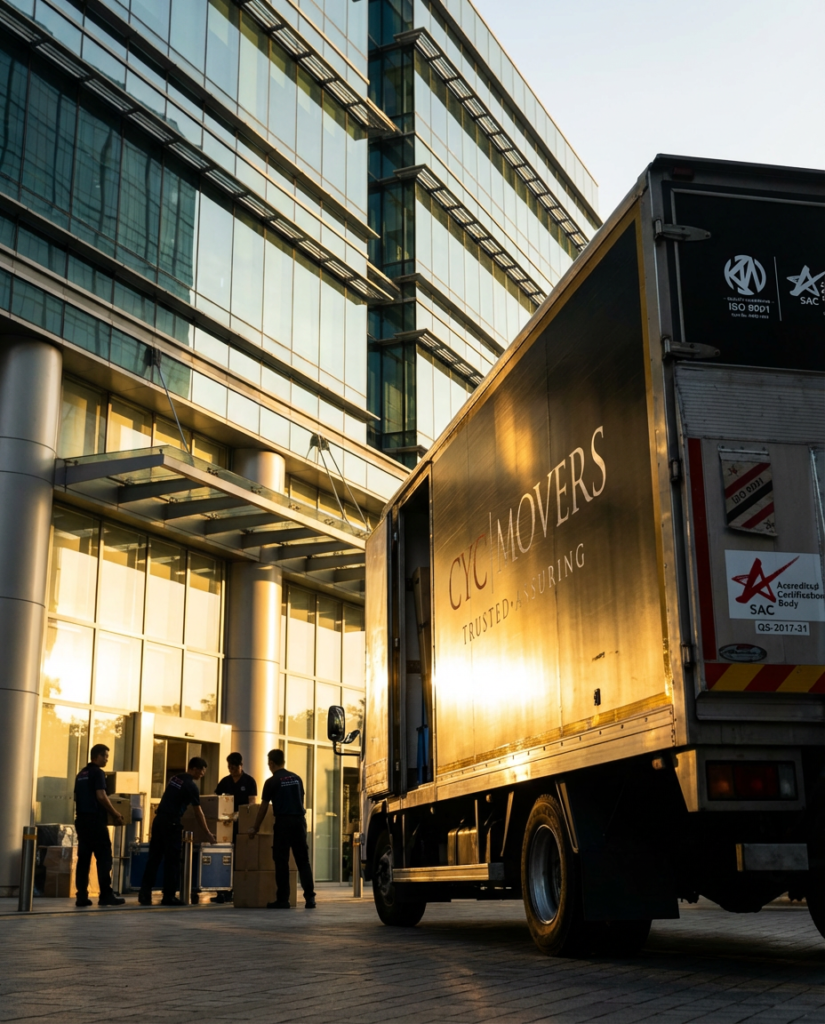
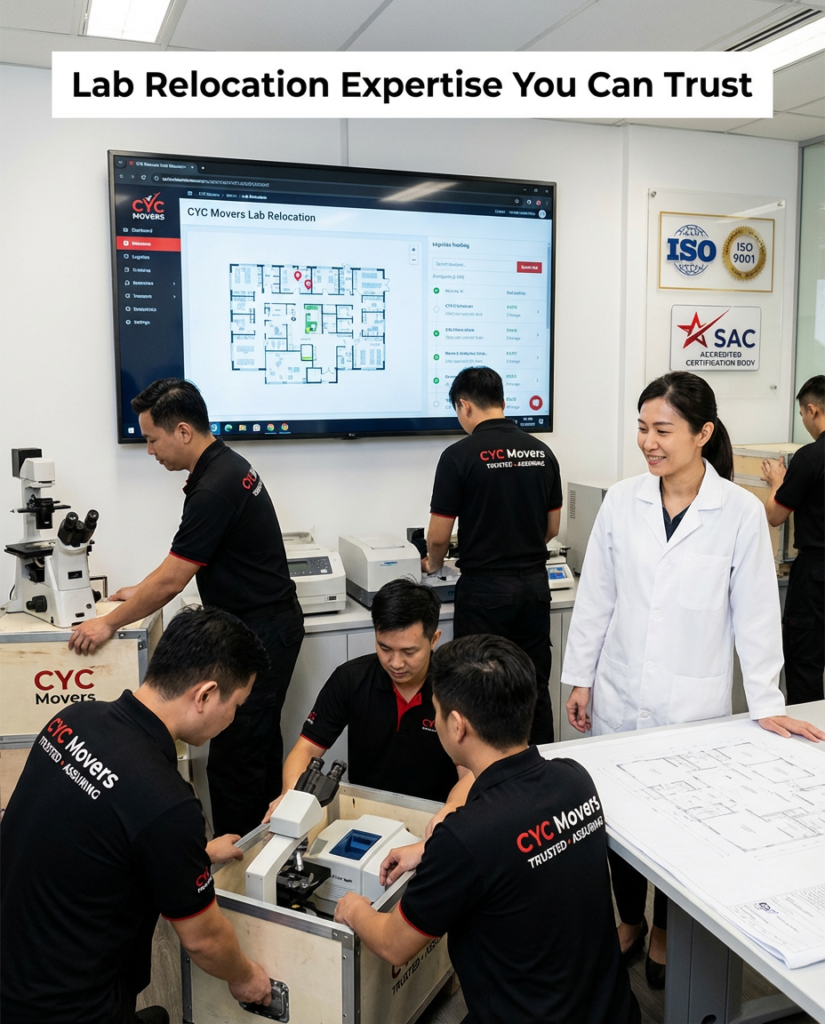
Relocating a laboratory within the bustling ecosystem of Singapore is a monumental task. Whether you are moving from a dedicated R&D facility in Biopolis to a newer commercial space in Tuas, or simply expanding your clinical diagnostic lab, the margin for error is non-existent. Have you considered what a single day of downtime or a microscopic shift in a laser’s alignment could cost your organization? This guide on Laboratory Relocation in Singapore explores the intersection of logistical expertise and scientific rigor, ensuring your transition is compliant, calibrated, and, above all, safe.
This guide explores the intersection of logistical expertise and scientific rigor, ensuring your transition is compliant, calibrated, and, above all, safe.
The Complexity of Moving a Science-Driven Hub
When we talk about laboratory relocation, we are talking about moving “the heart” of an enterprise. Unlike moving furniture, lab relocation involves the synchronization of specialized logistics, technical engineering, and regulatory documentation. In Singapore, the density of the urban environment and the strict zoning laws add another layer of complexity. You aren’t just moving boxes; you are moving years of research, sensitive data, and fragile technology that requires climate-controlled environments and vibration-free transport.
Understanding the nuances of Laboratory Relocation in Singapore is crucial as you prepare for this transition.

Navigating the Regulatory Landscape in Singapore
Singapore’s regulatory environment is one of the most robust in the world. Failing to comply with local laws during a move doesn’t just result in delays—it can lead to heavy fines or the suspension of your operating licenses.
Adhering to NEA and MOH Guidelines
The National Environment Agency (NEA) oversees the movement of hazardous substances and toxic industrial waste. If your lab handles chemicals, you must ensure that your movers are licensed to transport these materials. Simultaneously, if you are a clinical or diagnostic facility, the Ministry of Health (MOH) has strict requirements regarding the transport of human biological samples and infectious agents. Are your current transport protocols meeting the Biological Agents and Toxins Act (BATA) requirements?
Understanding Workplace Safety and Health (WSH) Act Compliance
The WSH Act mandates that every employer ensures the safety of their workers—including the third-party movers involved in the relocation. You are responsible for identifying hazards and conducting a comprehensive risk assessment before the first piece of equipment is ever lifted.
Strategic Pre-Move Planning: The Foundation of Success
A successful move is 80% planning and 20% execution. We recommend starting the planning phase at least six months in advance. This period allows you to audit your inventory, decommission equipment, and brief your stakeholders.
Developing a Risk Assessment and Method Statement (RAMS)
A RAMS is a critical document that outlines exactly how risks will be managed. It covers everything from how a mass spectrometer will be crated to the specific route the truck will take to avoid heavy traffic or road vibrations. This document serves as the “bible” for the relocation team, ensuring that every technician knows their role and every safety protocol is followed to the letter.
Specialized Handling: Chemicals, Biologics, and Radioactives
How do you safely move a library of 10,000 chemicals? The answer lies in professional segregation. In Singapore, specialized movers will categorize your chemicals according to their compatibility groups to prevent accidental reactions during transit. For biological samples, the use of liquid nitrogen dry shippers or specialized reefers is essential to maintain the integrity of the samples. For radioactive materials, you must coordinate closely with the Radiation Protection and Nuclear Science Group (RPNSG) to ensure all transport shields and labeling meet international safety standards.
The Critical Role of Equipment Calibration Post-Move
One of the biggest mistakes lab managers make is assuming that if a machine turns on, it is working correctly. The physical vibrations of transit can subtly unseat internal components or knock sensors out of alignment.
Maintaining ISO/IEC 17025 Standards
For labs that are accredited, maintaining ISO/IEC 17025 is vital. Post-move calibration is not optional; it is a requirement to ensure that the data produced in the new location is as valid as the data from the old one. We suggest scheduling OEM (Original Equipment Manufacturer) technicians or certified third-party calibration services to meet the move-in team at the new site. This ensures that your analytical balances, pipettes, and spectrophotometers are verified before the first test is run.

Infrastructure Readiness at the New Site
Before the “Big Move” day, your new Singapore facility must be ready to receive the load. This involves more than just having the lights on. You need to verify:
-
Power Requirements: Does the new lab have the correct voltage and backup UPS systems for high-draw equipment?
-
Gas Piping: Are the gas manifolds installed and pressure-tested for high-purity gases like Nitrogen or Argon?
-
Floor Loading: Can the floor at the new site handle the weight of heavy equipment like lead-shielded incubators or NMR magnets?
Cold Chain Management: Protecting Thermal-Sensitive Assets
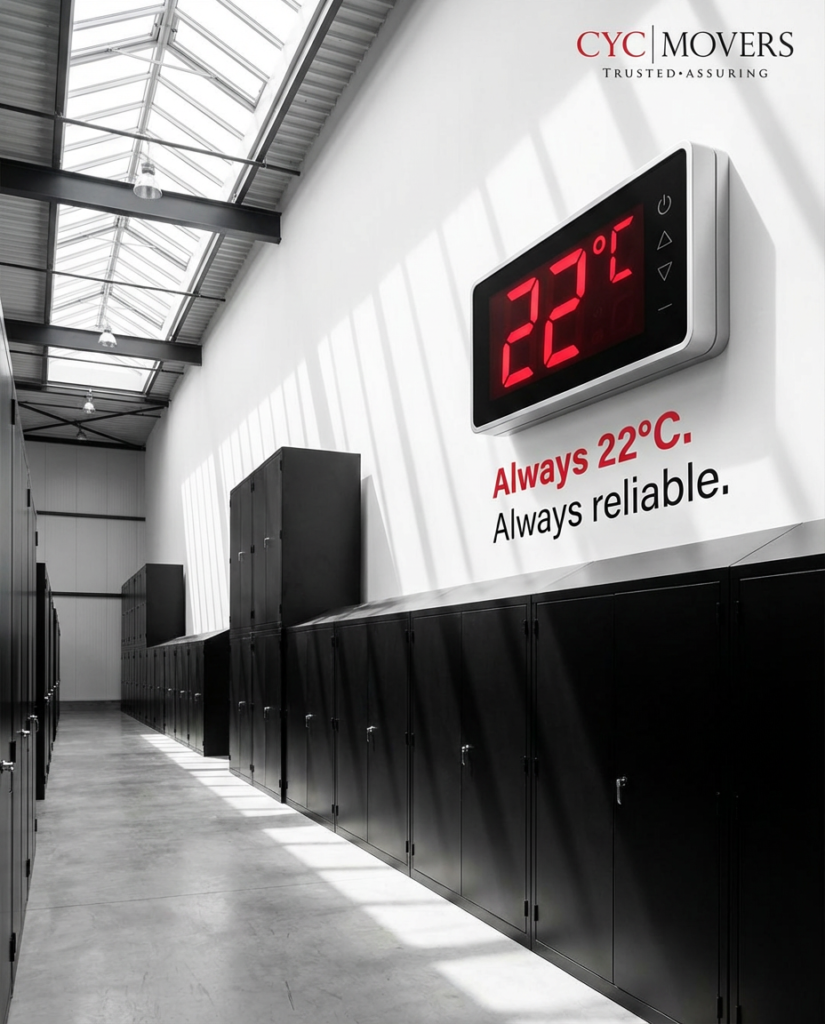
In the tropical heat of Singapore, cold chain failure happens in minutes, not hours. If your lab stores reagents at $-80$°C, you need a redundant power plan. Professional lab movers use active cooling units and real-time GPS temperature monitoring. This allows you to track the thermal stability of your samples from your smartphone while they are in transit across the island. If the temperature fluctuates by even a degree, an alert is triggered, allowing for immediate corrective action.
Insurance and Liability: Protecting Your Intellectual Property
Standard moving insurance is woefully inadequate for laboratory assets. While a mover might offer “per kilogram” coverage, this won’t cover the $500,000 value of a damaged DNA sequencer. You must seek specialized “Transit and Marine” insurance that covers the full replacement value of the equipment and, crucially, the potential loss of “Work in Progress” (WIP). If a move goes wrong and a year’s worth of research is lost, will your insurance cover the cost of the labor required to recreate that data?
Conclusion: Executing a Seamless Transition
Relocating a laboratory in Singapore is a complex puzzle that requires the perfect alignment of regulatory compliance, technical precision, and safety protocols. By prioritizing early planning, engaging with licensed specialists, and insisting on rigorous post-move calibration, you can transform a high-stress event into a strategic upgrade for your research capabilities.
Safety is not just a checkbox; in the scientific community, it is the bedrock of innovation. When you respect the process, you protect the science.